How Community Gardens Enhance Urban Living
Community gardens serve as vital resources in urban areas, offering numerous benefits that enrich local life. These spaces not only provide access to fresh produce but also foster community connections, environmental awareness, and personal well-being.
Understanding the Basics of Community Gardens
Community gardens are typically defined as shared plots of land where individuals come together to cultivate fruits, vegetables, and flowers. According to research from the American Community Gardening Association, these gardens can effectively improve community engagement and promote sustainable practices in urban environments.
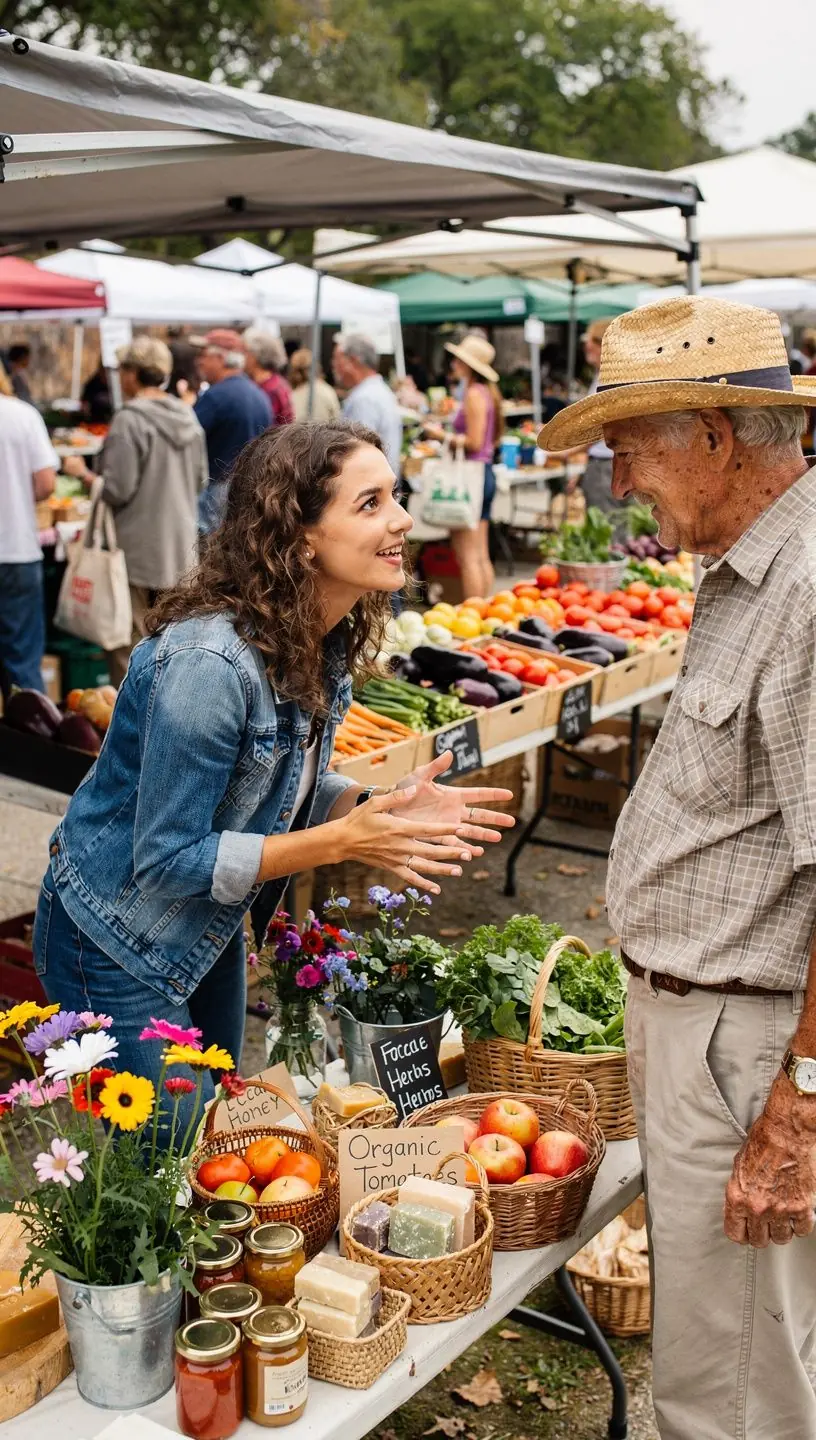
"Community gardens can act as catalysts for change, enhancing social ties and overall quality of life in urban settings."
Benefits of Community Gardens
Here are some of the key benefits that community gardens can offer to urban dwellers:
- Access to Fresh Produce: Many urban areas lack nearby grocery stores with fresh produce. Community gardens provide residents with the opportunity to grow their own fruits and vegetables, which studies show can lead to healthier eating habits.
- Social Cohesion: These gardens often become social hubs where individuals from various backgrounds come together, fostering a sense of community. Experts recommend that increased social interaction can lead to improved mental health and reduced feelings of isolation.
- Environmental Awareness: Engaging with nature through gardening can enhance environmental consciousness among participants. This hands-on experience often promotes sustainable practices and encourages community members to advocate for greener urban initiatives.
Practical Application of Community Gardens
Establishing a community garden typically requires careful planning and dedication. Here are a few steps to consider:
- Identify Suitable Land: Finding an appropriate space is crucial. It is advisable to seek land that is easily accessible and has adequate sunlight. Many successful gardens are often established on vacant lots or park spaces.
- Gather Community Support: Engaging local residents in the planning process typically increases the likelihood of success. This may involve organizing meetings to discuss the garden's purpose and gather input on what to grow.
- Implement Sustainable Practices: Incorporating composting, rainwater harvesting, and organic gardening practices can enhance the garden's sustainability. Many experts suggest that such approaches not only benefit the garden but also educate participants about environmental stewardship.
Conclusion
Community gardens are proven to enrich urban living through access to healthy food, enhanced social connections, and increased environmental awareness. While establishing a community garden requires time and effort, the long-term benefits and sense of community fostered in these spaces can be substantial. As urban areas continue to grow, community gardens can play a pivotal role in enhancing quality of life for residents.