How to Foster Intergenerational Relationships
Intergenerational relationships can enrich communities, provide mutual support, and enhance individual well-being. This article explores effective methods to cultivate these valuable connections.
Understanding the Importance of Intergenerational Relationships
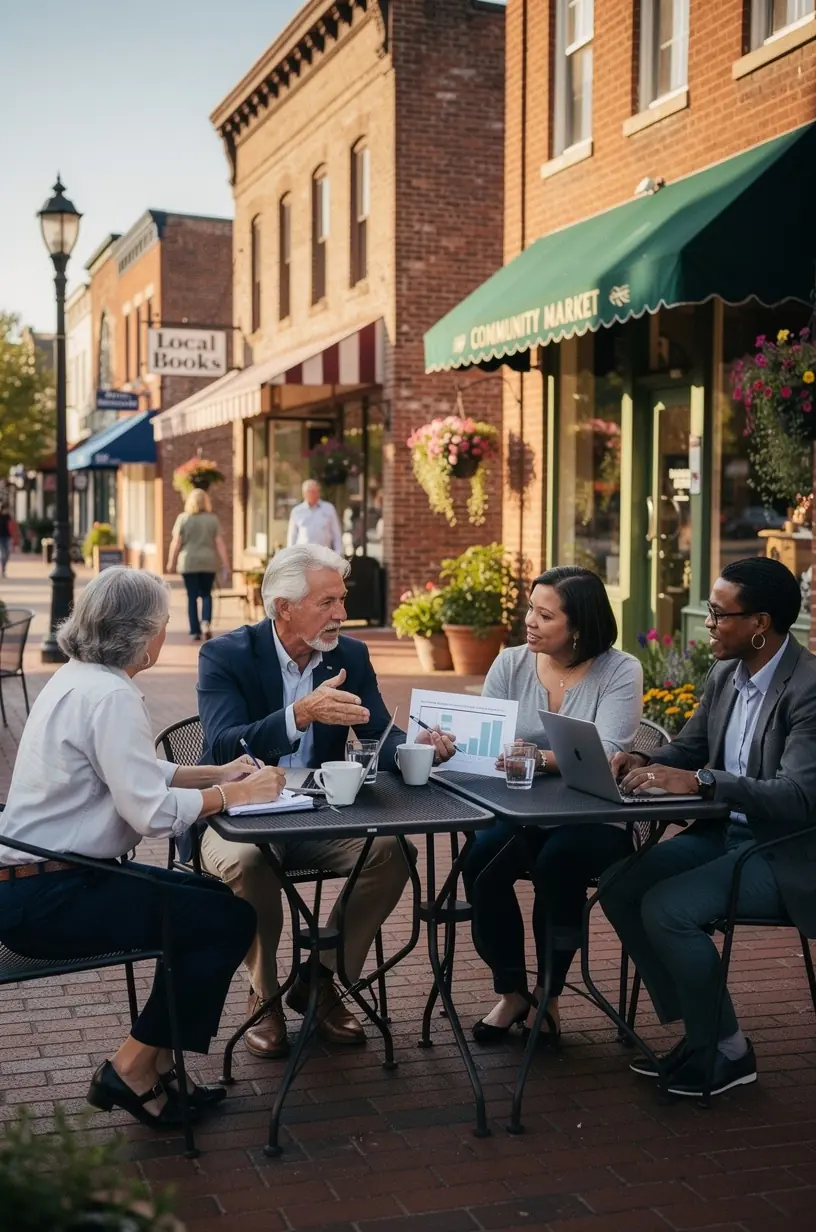
Intergenerational relationships are vital for a cohesive community. According to studies, these connections can lead to improved mental health, reduced feelings of loneliness, and enhanced social skills across all age groups. Particularly, they allow for the exchange of knowledge and experiences, helping to bridge generational gaps.
"Encouraging intergenerational partnerships can foster a sense of belonging and purpose, particularly among older adults who may feel isolated." - Research from the Harvard School of Public Health
Strategies to Foster Intergenerational Connections
Building strong intergenerational relationships typically involves a multifaceted approach. Here are several strategies that can be effective:
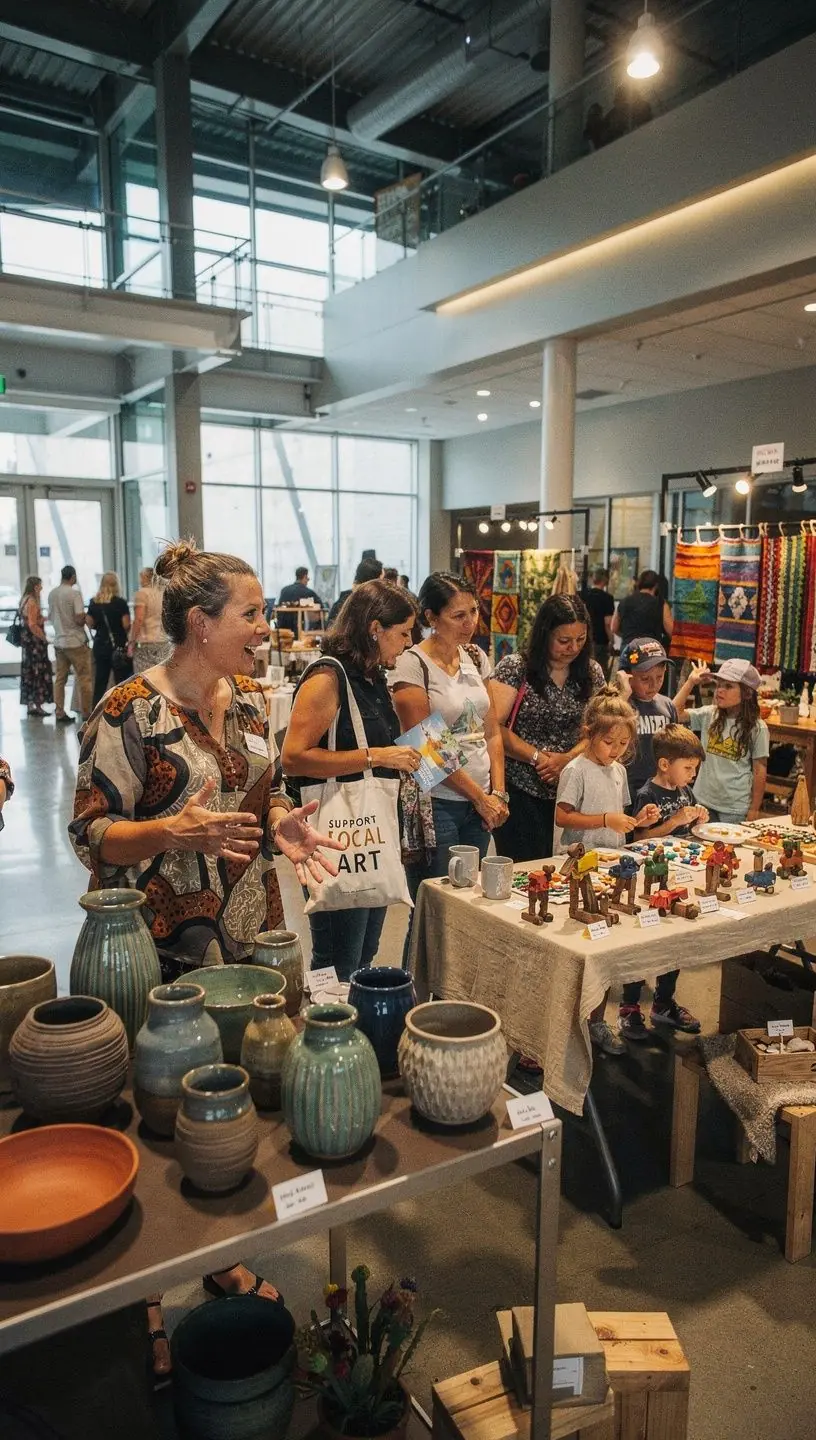
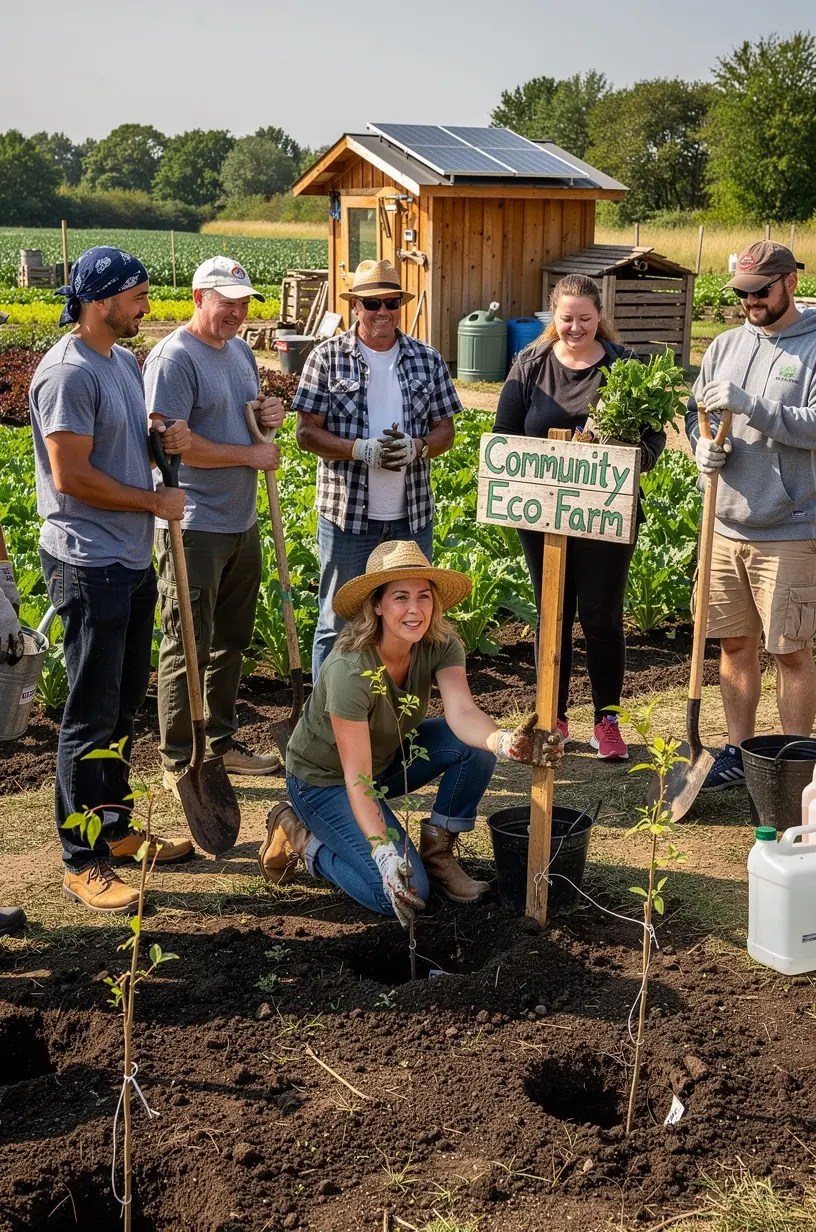
- Encourage Shared Activities: Organizing community events that bring together individuals of different ages can facilitate interaction. Activities such as storytelling sessions, gardening clubs, or cooking classes often help break the ice and create shared experiences.
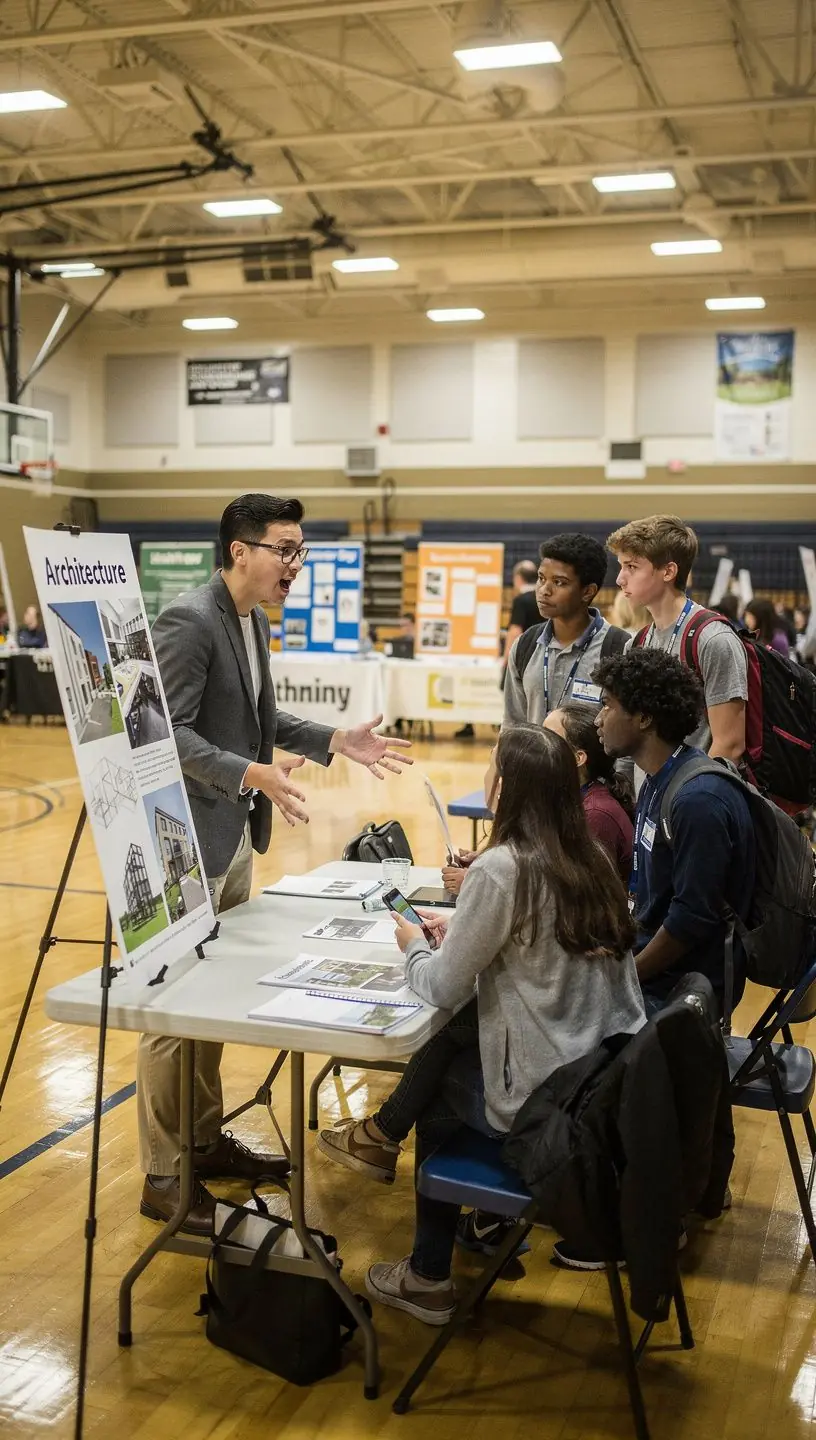
- Promote Mentorship Programs: Many organizations advocate for mentorship opportunities where older adults can share wisdom and guidance. Research indicates that mentorship can enhance self-esteem and provide valuable life skills for younger participants.
- Create Safe Spaces for Dialogue: Open forums or discussion groups can promote understanding. Experts suggest that structured conversations allow participants to share perspectives, fostering respect and empathy.
Acknowledge Challenges
While fostering intergenerational relationships can be rewarding, it’s important to acknowledge that it often requires time and effort. Participants may need to navigate differences in communication styles or interests. Typically, these initiatives take some time to develop trust and rapport, which may span several weeks or even months. It is crucial to approach this with patience and understanding.
Conclusion
Intergenerational relationships are not just beneficial but essential in cultivating vibrant communities. By implementing shared activities, establishing mentorship programs, and promoting dialogue, individuals and organizations can contribute to stronger interconnections. These relationships can lead to improved community dynamics and personal fulfillment, creating a more inclusive society.