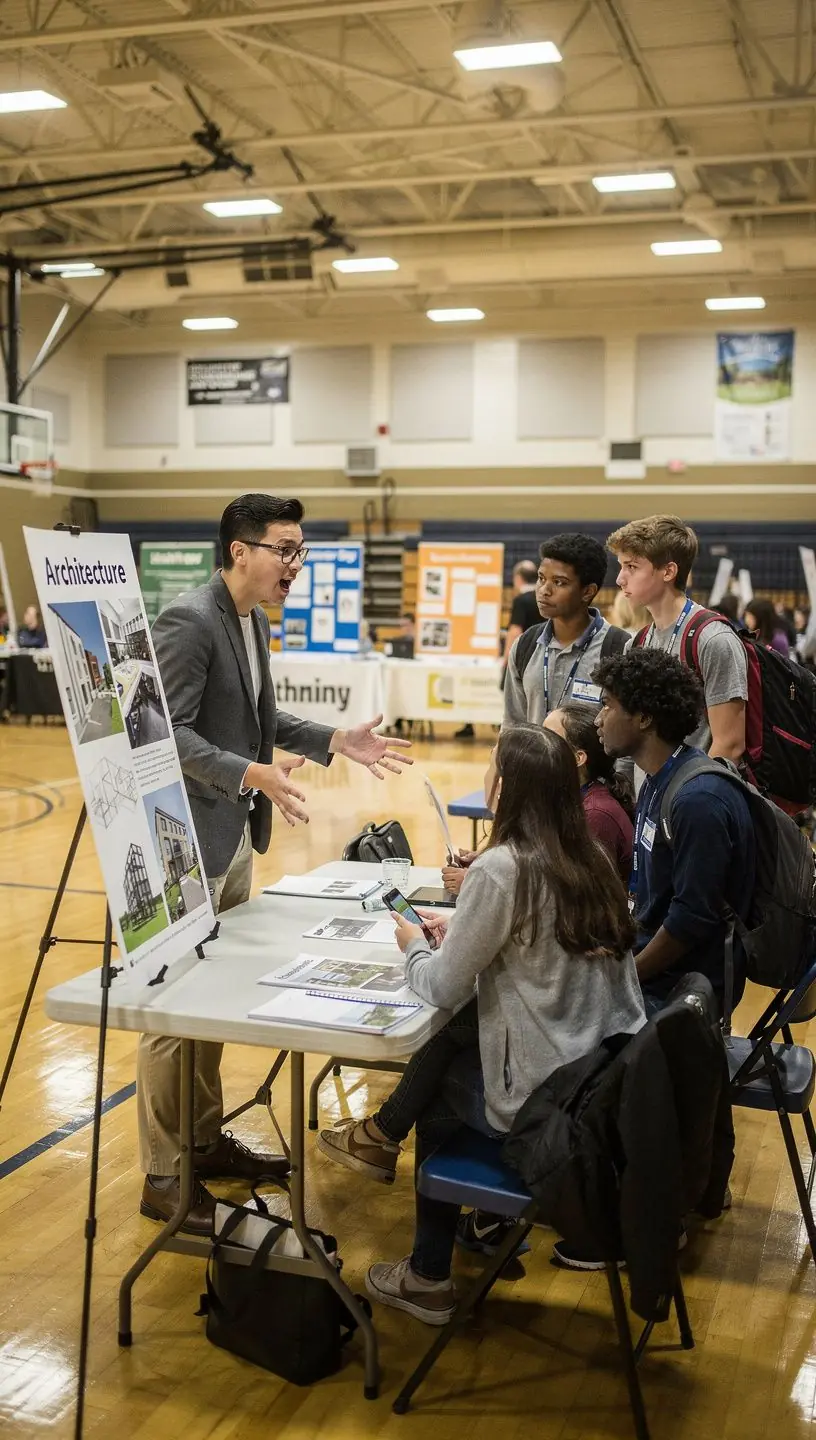
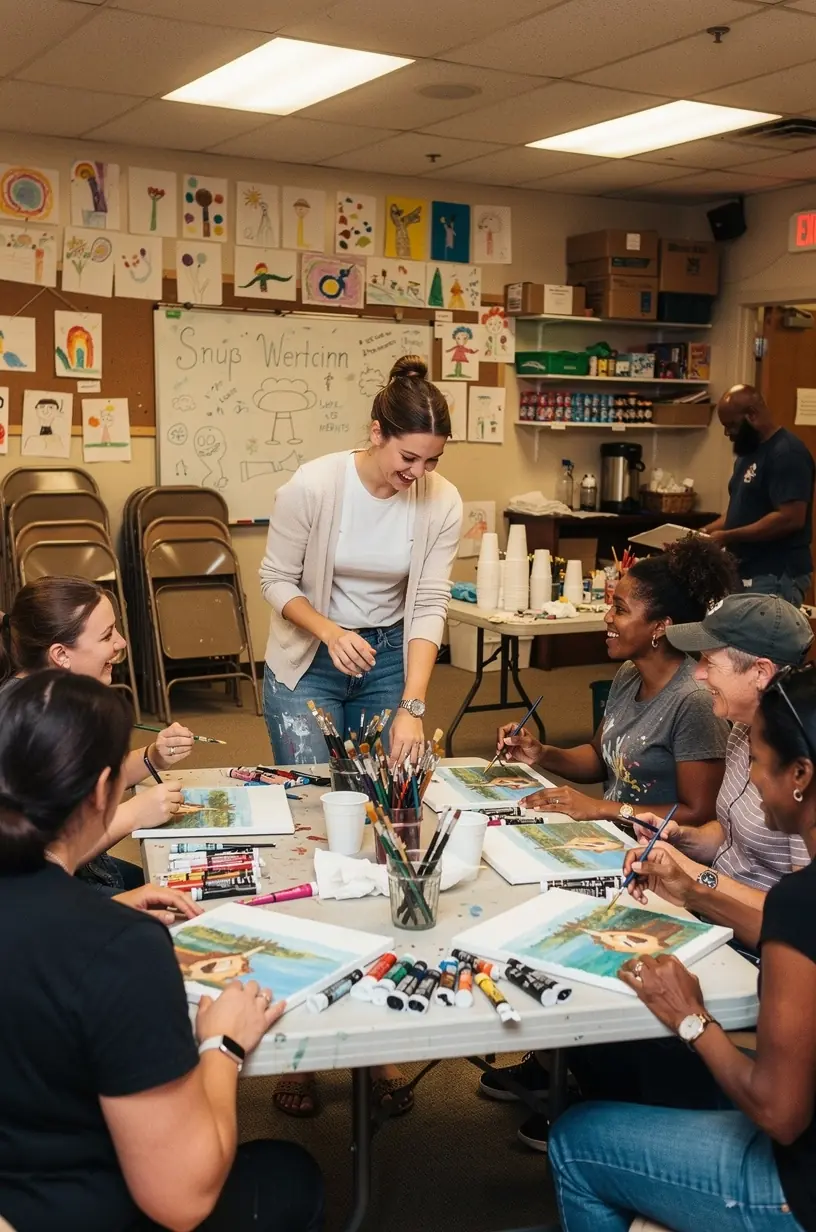
Practical Guide to Organizing Community Events
Organizing community events can foster connection, collaboration, and a sense of belonging. This guide provides practical insights into the planning process, ensuring your event is engaging while being mindful of resources and local needs.
Understanding the Basics of Community Events
Community events often serve various purposes, from promoting local culture and businesses to addressing social issues. According to research from the National Civic League, community gatherings can enhance social cohesion and improve public health. When organizing an event, it's essential to identify clear objectives and target audiences.
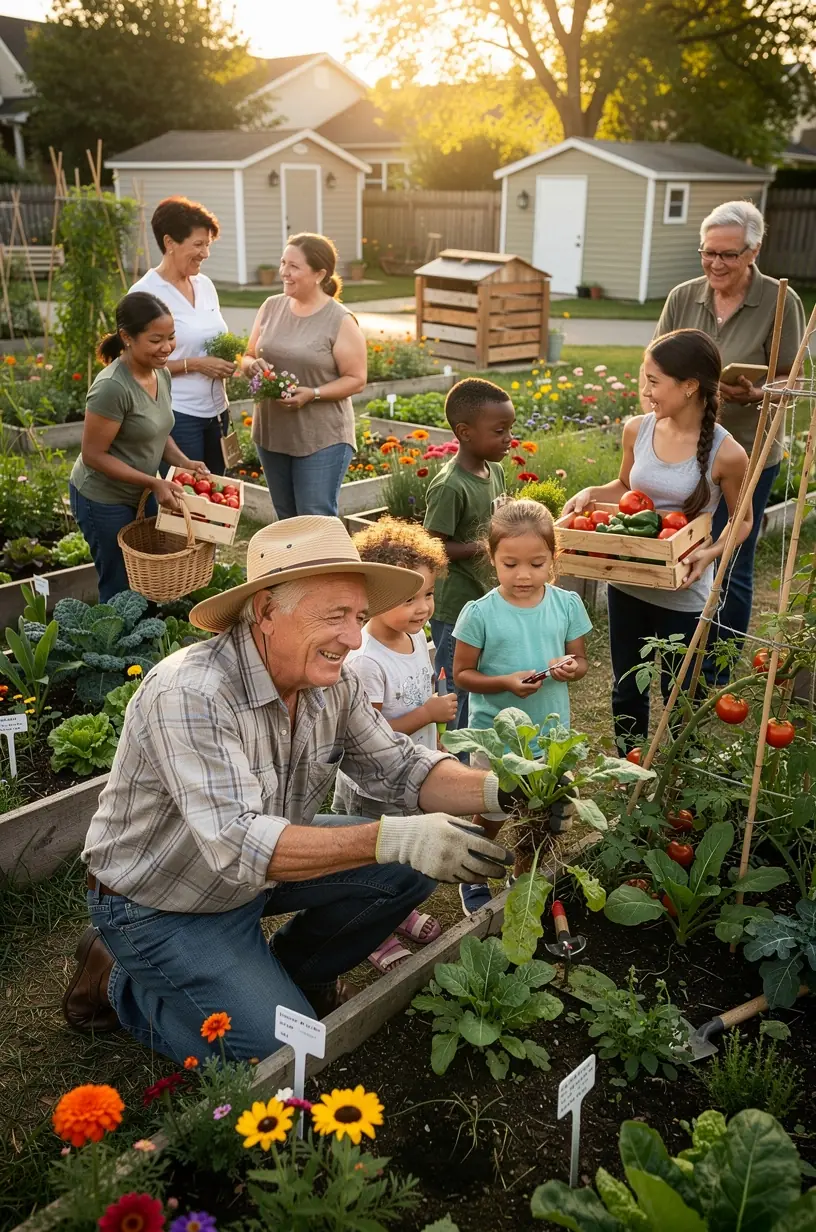
"Effective community engagement typically leads to improved local participation and satisfaction." - Community Development Expert
Step-by-Step Planning Process
Creating a successful community event involves several key steps:
- Define Your Goals: Establish what you want to achieve. Is it raising awareness, fostering dialogue, or simply bringing people together?
- Know Your Audience: Understanding who will attend helps tailor the event's content and activities, increasing participation.
- Select a Suitable Venue: Choose a location that is accessible and can accommodate your expected number of attendees. Community centers or local parks are often great choices.
- Develop a Budget: Outline potential expenses, including venue costs, permits, marketing, and refreshments. Research indicates that events with clear budgeting often stay on track financially.
- Promote Your Event: Utilize social media, local newspapers, and community boards to spread the word. Studies show that diverse promotion strategies can increase attendance significantly.
- Gather Feedback: Post-event surveys can provide insights for future improvements. Experts recommend collecting feedback to enhance community engagement in future events.
Engagement Strategies During the Event
During the event, consider these strategies to foster interaction:
- Interactive Activities: Involve attendees through workshops or discussions, as participatory formats can often lead to higher satisfaction.
- Networking Opportunities: Provide space for attendees to connect, share ideas, and collaborate. Research indicates that networking can lead to further community initiatives.
- Inclusive Practices: Ensure representation from diverse community groups to foster a sense of belonging and inclusivity.
Challenges and Limitations
While organizing a community event can be rewarding, it also presents challenges. Time commitments can vary, with planning typically taking several weeks to months, depending on the event's complexity. Additionally, weather conditions may impact outdoor events, so having contingency plans is advisable.
Conclusion
Organizing a community event is an effective way to bring people together and promote engagement. By following these steps and considering the insights shared, you can create an event that meets the needs of your community while fostering a sense of unity. Remember, the key to success lies in understanding your audience, setting clear objectives, and adapting to feedback.