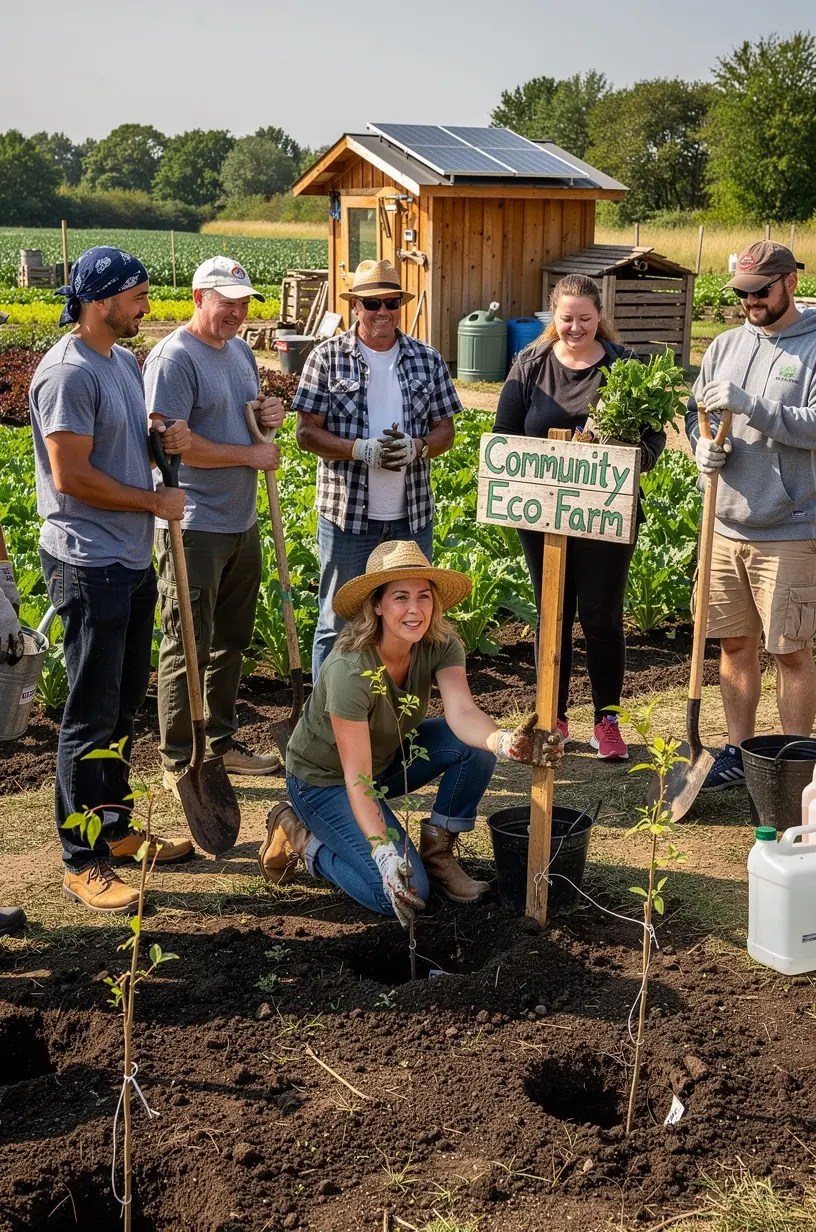
Practical Steps for Sustainable Neighborhood Development
Neighborhood development is essential for fostering community ties, economic growth, and environmental stewardship. However, sustainable practices are vital to ensure that these developments benefit both current residents and future generations. This article explores practical steps that communities across the US can take to promote sustainable neighborhood development.
Understanding Sustainable Neighborhood Development
Sustainable neighborhood development involves designing and building communities that meet the needs of the present without compromising the ability of future generations to meet their own needs. According to the American Planning Association, this approach typically focuses on three pillars: social equity, economic viability, and environmental protection. Experts recommend that effective community development involves integrating these elements into all planning processes.

"Sustainable practices in neighborhood development not only enhance the quality of life but also help mitigate environmental impacts." - Urban Sustainability Expert
Steps for Implementing Sustainable Practices
To embark on sustainable neighborhood development, communities can follow these key steps:
- Engage the Community: Involve local residents in the planning process. Research indicates that participatory planning can lead to more effective solutions that reflect the community's needs and values.
- Conduct Environmental Assessments: Before any development project, it's important to assess the environmental impact. Studies show that understanding the local ecosystem can help mitigate potential harm and enhance biodiversity.
- Promote Mixed-Use Development: Combining residential, commercial, and recreational spaces can reduce reliance on cars and encourage walking and cycling. This approach has been shown to improve overall community health and reduce carbon footprints.
- Prioritize Green Infrastructure: Implementing green roofs, permeable pavements, and sustainable drainage systems can help manage stormwater effectively. According to the Environmental Protection Agency (EPA), these practices can significantly reduce urban heat and improve air quality.
- Support Local Economies: Encourage local businesses through initiatives like farmers' markets or co-op shops. Research suggests that communities that support local enterprises often experience greater economic resilience.
Measuring Success and Adaptation
Once sustainable practices are implemented, it's critical to measure their effectiveness. Communities should establish clear metrics and regularly assess their progress. According to industry experts, adapting strategies based on these assessments can help ensure ongoing improvement and sustainability.
"Continuous feedback and adaptation are key in achieving long-term sustainability in community development." - Community Development Specialist
Conclusion
Embarking on sustainable neighborhood development requires commitment and collaboration from all community stakeholders. By following these practical steps, neighborhoods can create vibrant, resilient, and sustainable environments. Engaging with research and best practices not only enhances the development process but also fosters a sense of community ownership and pride.