Practical Tips for Supporting Local Health Initiatives
In recent years, local health initiatives have gained momentum across the United States, aiming to improve community well-being. Supporting these initiatives not only fosters a healthier environment but also strengthens community bonds. This article explores practical tips for getting involved and making a difference.
Understanding Local Health Initiatives
Local health initiatives often focus on specific health challenges that communities face, such as obesity, mental health, or access to healthcare services. According to the Centers for Disease Control and Prevention (CDC), community engagement is key in promoting health equity and improving health outcomes. These initiatives typically rely on the active participation of local residents to effectively address health issues.
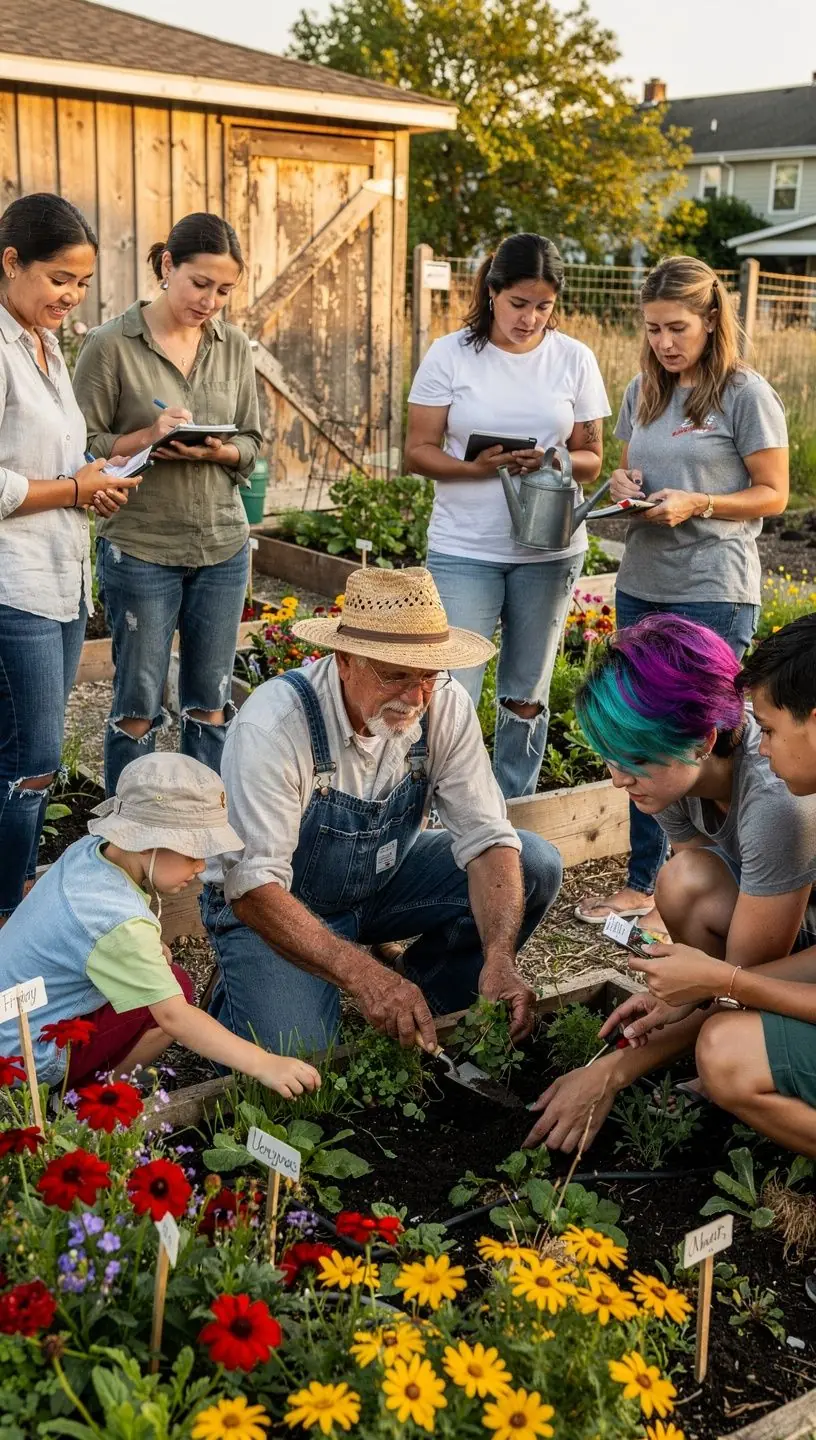
"Community involvement is essential for the success of health initiatives, as it ensures that the programs reflect the needs and values of the people they serve." - Public Health Expert
Ways to Get Involved
There are several effective ways to support local health initiatives:
- Participate in Community Meetings: Attending meetings can provide insight into local health challenges and solutions. Many initiatives welcome feedback and suggestions from attendees, which can influence future projects.
- Volunteer Your Time: Many organizations rely on volunteers to help implement their programs. This may involve assisting with events, spreading awareness, or providing logistical support. According to a study by the National Volunteerism Organization, volunteering can improve community health outcomes when individuals actively engage in these efforts.
- Advocate for Resources: Local health initiatives often require funding and resources to thrive. Engaging with local policymakers and advocating for necessary support can help ensure these programs are sustainable. Research indicates that active advocacy can significantly increase funding for public health programs.
Educate Yourself and Others
Understanding the specific health issues your community faces is crucial. Consider the following actions:
- Read up on local health reports and studies that highlight key challenges and successful initiatives.
- Share information with friends and family to raise awareness about local health issues. According to experts, informed communities are more likely to take action.
- Engage in discussions about health topics on social media platforms to reach a wider audience and encourage community dialogue.
Challenges and Considerations
While supporting local health initiatives can be rewarding, it’s important to acknowledge some challenges:
- Time Commitment: Engaging in local initiatives often requires a time investment, which can vary based on the program and your level of involvement.
- Need for Education: Understanding complex health issues may require ongoing education and awareness efforts.
- Potential for Limited Impact: Individual efforts may seem small, but collective community action can lead to significant changes over time. Research has shown that community-driven efforts can improve health metrics, but these changes typically take time to manifest.
Conclusion
Supporting local health initiatives is a meaningful way to contribute to community well-being. By understanding the needs of your community, volunteering your time, and advocating for necessary resources, you can play a vital role in fostering a healthier environment. Remember, every small effort counts toward achieving broader health goals, and collective action often leads to lasting change.